Maintenance
Maintenance and renovation are important processes in managing and improving the condition and functionality of buildings, infrastructure, and other physical assets. Here’s a breakdown of each concept:
Definition:
Maintenance refers to the routine, ongoing tasks performed to keep a facility, equipment, or infrastructure in good working order. It aims to prevent deterioration and ensure safety and functionality.
Types of Maintenance
Preventive Maintenance:
Regularly scheduled tasks intended to reduce the likelihood of equipment failure (e.g., oil changes, inspections).
Corrective Maintenance:
Actions taken to repair or fix issues as they arise (e.g., fixing a broken HVAC unit).
Predictive Maintenance:
Using data analytics and monitoring tools to predict when maintenance should be performed (e.g., analyzing usage patterns).
Routine Maintenance:
Minor, often daily, tasks required to keep the facility operational (e.g., cleaning, changing filters).
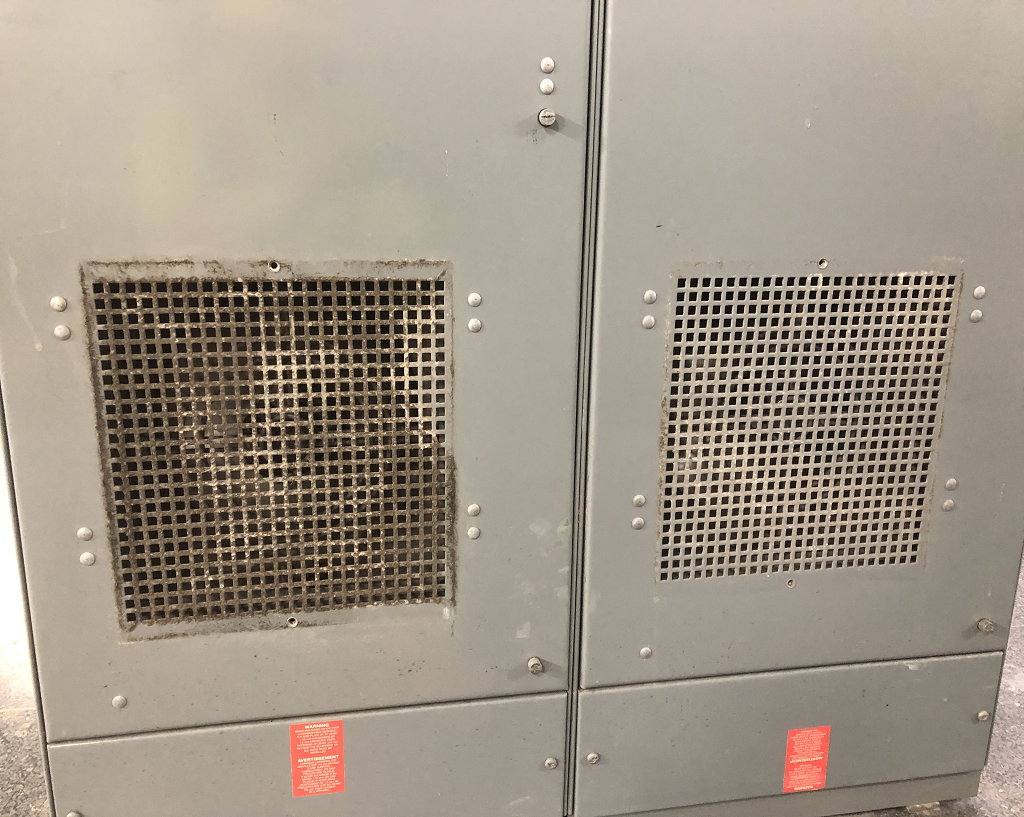
Before
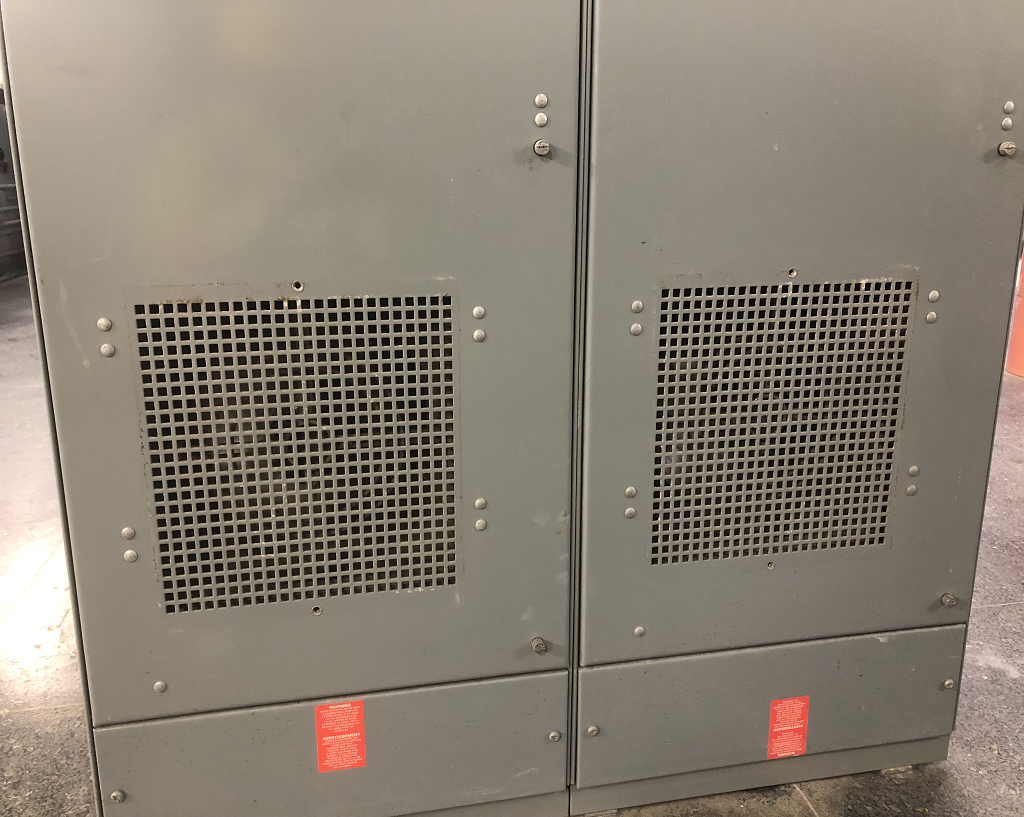
After
Benefits:
Increases lifespan of assets.
Reduces emergency repair costs.
Ensures safety and compliance with regulations.
Enhances user satisfaction and productivity.
Examples:
Regular inspections of plumbing and electrical systems.
Lawn care and landscaping in commercial properties.
Maintenance of critical machinery in manufacturing.
Renovation
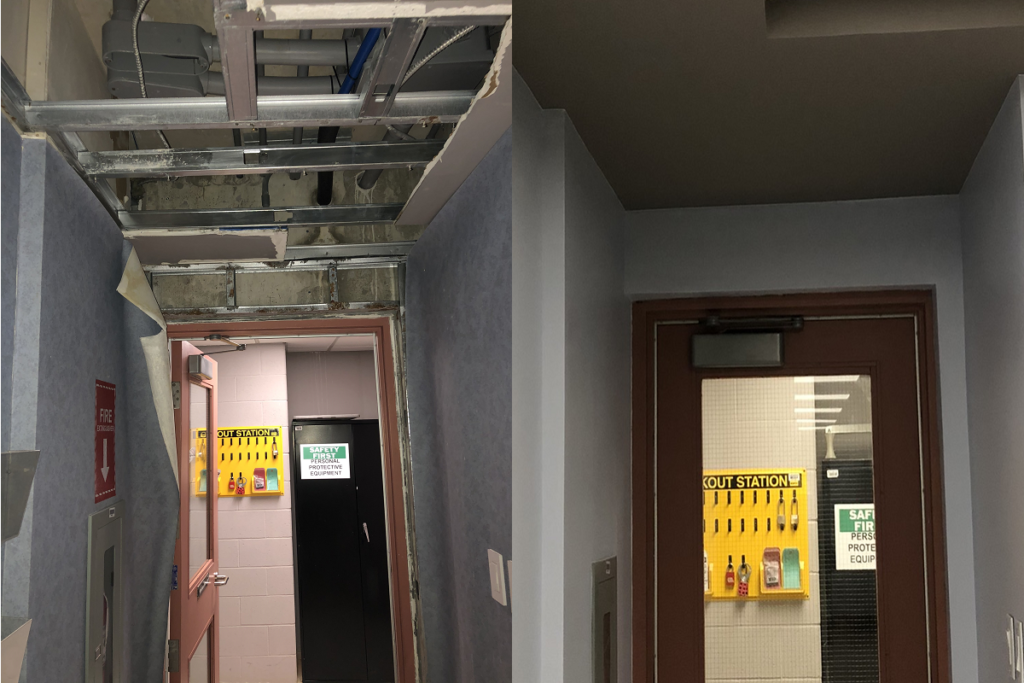
Definition:
Renovation involves improving or updating a building or facility by making significant changes or enhancements. This can range from small cosmetic updates to large structural modifications.
Types of Renovation
Cosmetic Renovation:
Aesthetic improvements, such as painting, flooring upgrades, and landscaping.
Structural Renovation:
Changes that affect the building’s structure, such as adding new rooms or changing the layout.
Functional Renovation:
Upgrades to improve functionality, such as modernizing a kitchen or retrofitting a building for energy efficiency.
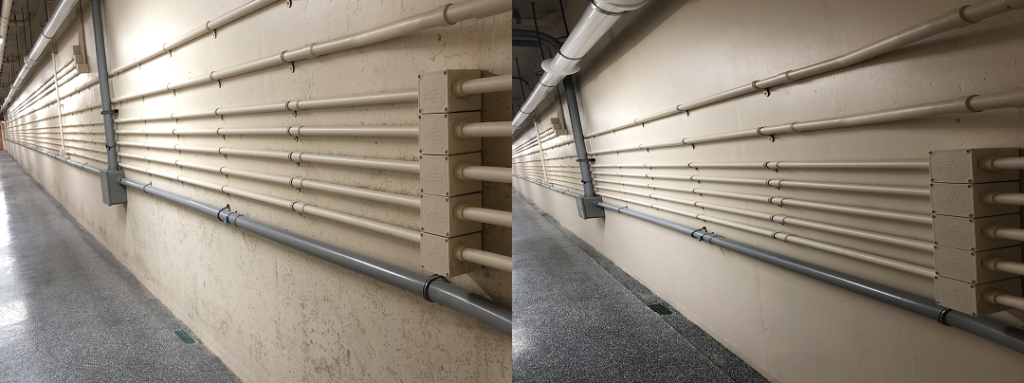
Benefits:
Increases property value.
Improves energy efficiency and sustainability.
Enhances aesthetic appeal and usability.
Addresses health and safety concerns (e.g., eliminating lead paint).
Examples:
Converting an old warehouse into residential lofts.
Upgrading a commercial office space with modern amenities.
Retrofitting a building to meet current building codes or accessibility standards.
Relationship Between Maintenance and Renovation.
Complementary Processes:
While maintenance focuses on preserving and protecting a property, renovation aims at enhancement and improvement, effective maintenance can extend the need for renovations, while regular renovations can make future maintenance easier and more effective.
Budgeting:
Both processes require financial planning, maintenance budgets ensure the building remains operational, while renovation budgets allow for upgrades that can lead to long-term savings and increased value.
Planning:
Successful property management involves a proactive approach to both maintenance and renovation, ensuring that assets are preserved and improved over time to meet user needs and comply with regulations.
In conclusion, maintenance and renovation work hand in hand to ensure the longevity, safety, and functionality of physical assets, making them fundamental aspects of property management and development.
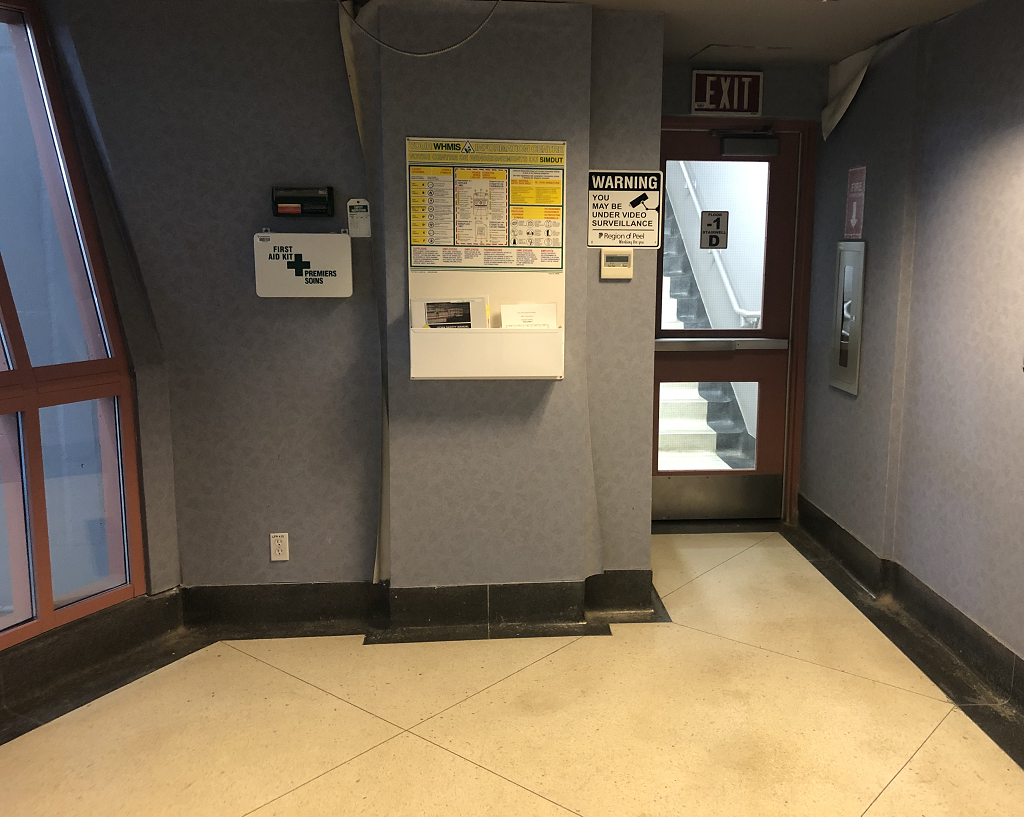
Before
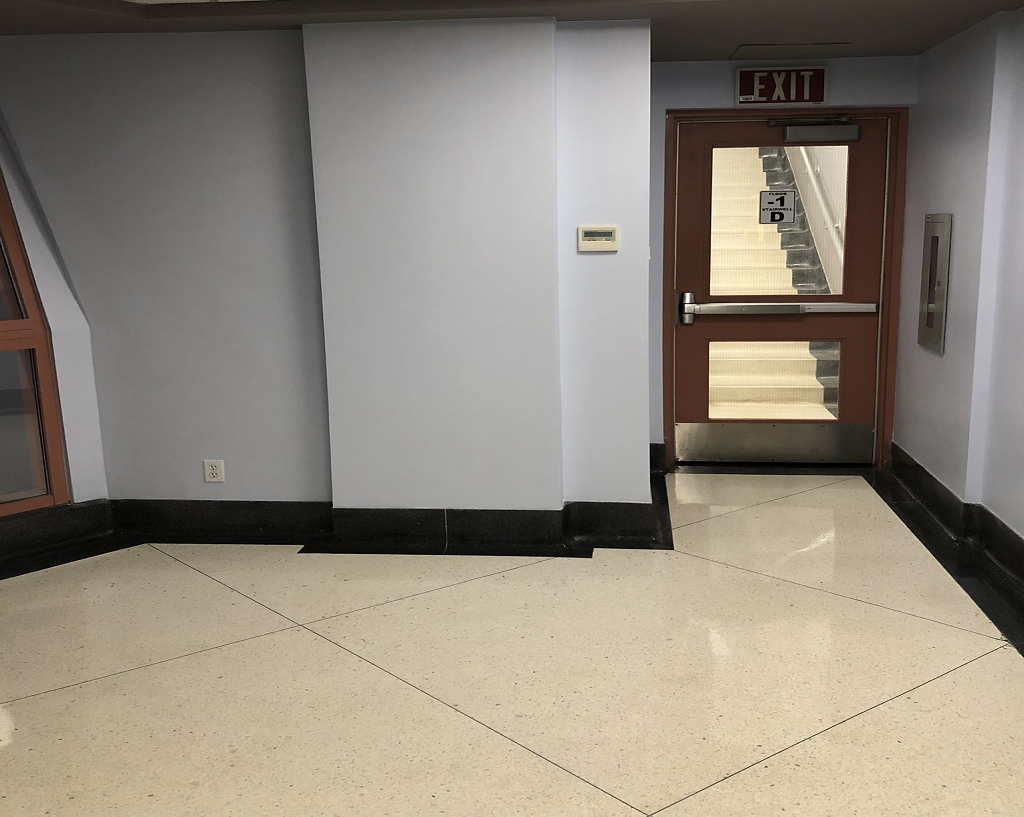
After
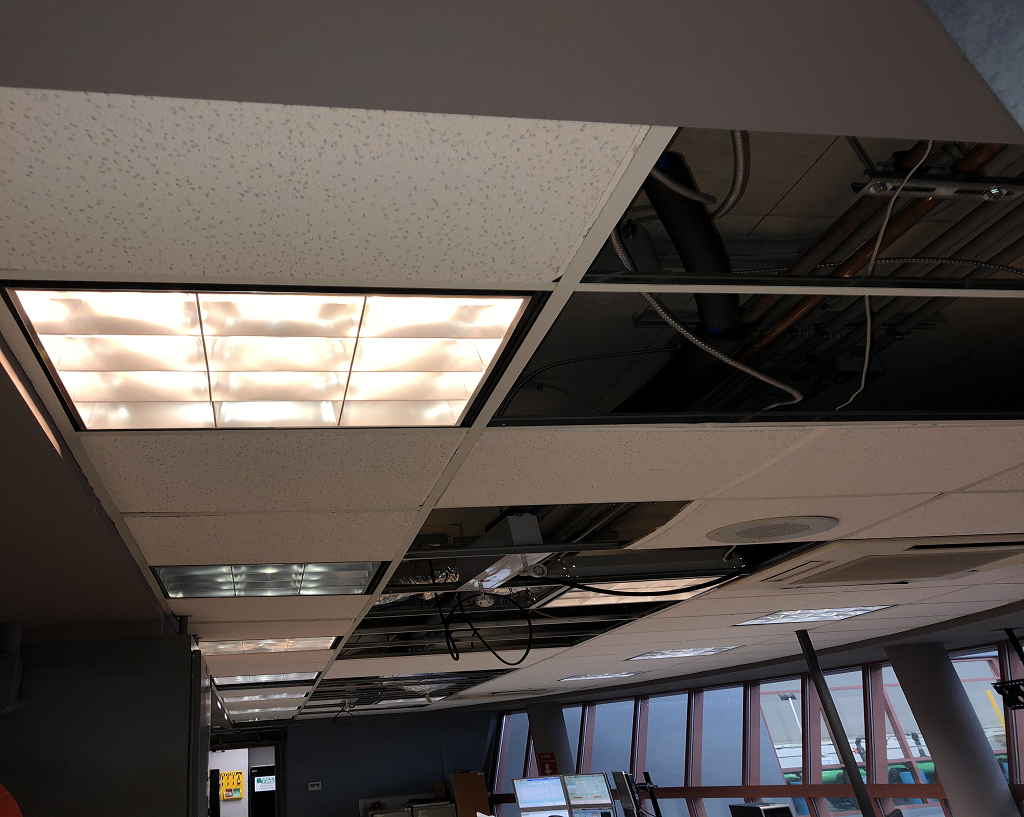
Before
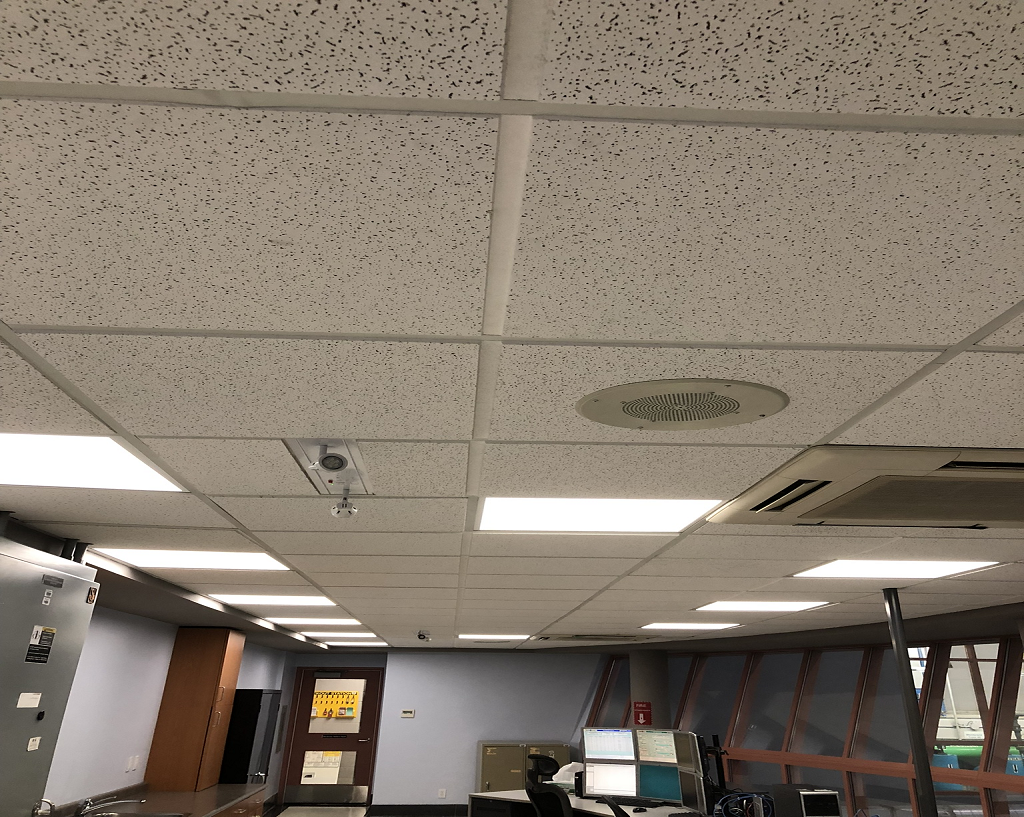
After